Choosing the Right Plastic Surgeon: A Comprehensive Guide for First-Time Patients
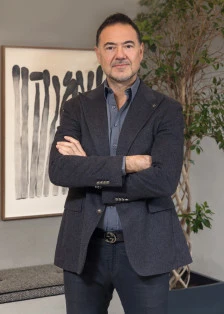
Medically Reviewed 03 July 2026, by Mr. Tunç Tiryaki (GMC 7497351)
Choosing to undergo cosmetic surgery is a deeply personal and often life changing decision. For first time patients, particularly those considering procedures such as a facelift, the most important choice you will make is who performs your surgery. Your surgeon’s training, experience and approach directly influence not only how you look, but also your safety, recovery and long term satisfaction.
This guide is designed to help you make an informed, confident decision. It is written for patients, not professionals and explains in clear terms what truly matters when choosing a plastic surgeon.
From qualifications and experience to safety standards, communication style and aftercare, this article provides a practical framework you can use regardless of where you choose to have surgery.
1. Qualifications, Training and Professional Standards
A plastic surgeon’s qualifications are the foundation of safe, ethical and effective care. Cosmetic surgery should only be performed by a fully trained specialist plastic surgeon, not a practitioner whose experience is limited to short courses or non-surgical aesthetic training.
Plastic surgery is one of the most demanding medical specialties, requiring many years of structured postgraduate education, supervised surgical experience and ongoing professional training and scrutiny. Verifying a surgeon’s credentials is therefore one of the most important steps a patient can take before proceeding.
Specialist Certification and Registration
Patients should always confirm that their surgeon is officially recognised as a specialist in plastic surgery in the country where they practise.
- In the UK, this means the surgeon is listed on the General Medical Council (GMC) Specialist Register for Plastic Surgery, which confirms completion of rigorous training to consultant level. Many UK plastic surgeons will also hold the FRCS (Plast) qualification, reflecting advanced surgical expertise.
- In the United States, patients should look for certification from the American Board of Plastic Surgery.
- In Turkey, surgeons should be members of the Turkish Society of Aesthetic Plastic Surgery (TEPCD), which indicates specialist training and adherence to professional standards.
Being on a recognised specialist register confirms that the surgeon has trained specifically in plastic surgery, not general medicine or cosmetic procedures alone and is accountable to a governing medical authority.
Professional Memberships and Standards
Membership of respected professional organisations is another important indicator of a surgeon’s commitment to excellence, safety and ongoing education.
- UK patients should look for membership in organisations such as the British Association of Aesthetic Plastic Surgeons (BAAPS) or BAPRAS.
- Internationally, membership of bodies such as the International Society of Aesthetic Plastic Surgery (ISAPS) demonstrates global recognition and active engagement with best practice.
For example, surgeons such as Mr Tunç Tiryaki, holds the below memberships and affiliations:
- Turkish Society of Plastic Reconstructive and Aesthetic Surgeons – core national surgical body in Turkey.
- Aesthetic Plastic Surgery Association (EPCD) – professional association for aesthetic surgeons.
- International Society of Aesthetic Plastic Surgery (ISAPS) – global society; Mr Tiryaki also serves as
- Chair of Humanitarian Programs with this organisation.
- American Society of Plastic Surgeons (ASPS) – prominent international surgical society.
- American Society for Aesthetic Plastic Surgery (ASAPS) – major US-based aesthetic surgery organisation.
- Interplast Turkey Society – humanitarian plastic surgery organisation.
- Physicians for Peace Organisation – international medical charity affiliation.
- Turkish Medical Association – national professional body.
- International Society of Plastic and Reconstructive Surgeons (ISPRES) – regenerative plastic surgery society.
Medical Education and Surgical Training
Patients should feel confident asking about a surgeon’s educational background, including:
- Where they completed their medical degree
- Their plastic surgery residency and fellowships
- The scope and duration of their specialist training
A reputable surgeon will be open and transparent about their career path and happy to explain their qualifications in clear, understandable terms. This openness reflects professionalism and accountability, proper qualifications indicate that a surgeon has:
- Completed years of structured specialist training
- Developed advanced technical and decision-making skills
- Committed to ethical practice and patient safety
- Remains accountable to professional and regulatory bodies
By understanding how to verify qualifications, certifications and professional memberships, patients can make informed decisions and move forward with greater confidence and peace of mind.
2. Experience and Specialisation in Your Procedure
Plastic surgery is a broad and highly specialised field. Even among fully qualified and board-certified plastic surgeons, levels of experience can vary significantly depending on the procedure. This is why choosing a surgeon with extensive, focused experience in the specific surgery you are considering is crucial.
For example, if you are seeking a facelift, it is important to select a surgeon who regularly performs facial surgery and has dedicated a substantial portion of their career to facial rejuvenation. A surgeon may be highly respected for breast or body procedures, but that does not automatically translate to expertise in complex facial surgery. Each area requires different technical skills, anatomical knowledge and aesthetic judgement.
The Importance of Procedure-Specific Experience
A surgeon who has performed hundreds or even thousands of the same procedure brings a depth of understanding that cannot be replicated through general experience alone. Over time, this level of repetition refines technique, improves decision-making and allows the surgeon to confidently adapt the approach to different facial structures, ageing patterns and patient goals.
Extensive experience also means:
- Greater ability to anticipate anatomical variations
- More consistent, natural-looking results
- Increased confidence in managing complications should they arise
In cosmetic surgery, experience is not just about technical precision, it is also about developing an artistic eye and an intuitive understanding of proportion, balance and longevity of results.
The Importance of Sub-Specialisation
Many leading plastic surgeons choose to sub-specialise in particular areas such as facial surgery, body contouring or breast procedures. This focused approach often correlates with better outcomes, as the surgeon’s skills are continuously refined within a narrower scope of practice.
For those considering facial rejuvenation, seeking a surgeon widely recognised for facelift surgery is advisable. For instance, surgeons like Mr Tunç Tiryaki, who has over 25 years’ experience and is known for his work in facial surgery and regenerative techniques, exemplify the level of procedural focus patients should look for. Recognition of this kind reflects long-term commitment, innovation and mastery within a specific field.
Questions to Ask Your Surgeon
Patients should feel empowered to ask direct, practical questions during their consultation, such as:
- How many years have you been performing this procedure?
- Approximately how many of these surgeries have you performed?
- Is this a core focus of your practice?
A seasoned specialist will answer openly and clearly, helping you understand whether their experience aligns with your expectations and needs.
Beyond certification, the depth and relevance of a surgeon’s experience is one of the strongest predictors of a satisfying outcome. By choosing a surgeon who specialises in your desired procedure and has a proven track record in that area, you significantly increase the likelihood of safe surgery, natural results and long-term satisfaction.
3. Surgical Techniques and Philosophy
Modern plastic surgery is constantly evolving. Advances in anatomical understanding, surgical precision and technology have shifted the focus away from surface-level tightening towards techniques that prioritise structural support, natural movement and long-term results. Understanding how a surgeon approaches surgery, and why they choose certain techniques, is a key part of selecting the right specialist.
Understanding Your Surgeon’s Technique
Different surgeons may recommend different approaches for the same procedure, depending on their training, experience and philosophy. In facelift surgery, for example, some surgeons specialise in deep-plane techniques, which address the underlying facial structures for more natural, longer-lasting rejuvenation. Others may focus on less invasive lifts, skin-tightening procedures or complementary treatments such as fat transfer to restore volume.
What matters most is not that one technique is universally “better”, but that the surgeon is proficient in modern, evidence-based methods and can clearly explain why a particular approach is right for you.
Questions to Ask Your Surgeon
During your consultation, your surgeon should be able to answer questions such as:
- Which technique do you recommend for my case, and why?
- What alternatives are available, and why might they be less suitable?
- Are there modern innovations you use to improve safety, longevity or recovery?
A surgeon who is confident in their craft will welcome these discussions and explain complex concepts in clear, accessible language.
Staying Current in a Changing Field
High-quality surgeons remain actively engaged with advancements in their field. Ongoing education, often through professional memberships, conferences and peer collaboration, ensures techniques evolve alongside emerging evidence and innovation. Patients should feel comfortable asking whether their surgeon has experience with newer methods and how these compare with traditional approaches.
In some practices, this may include the use of advanced technologies, minimally invasive or endoscopic techniques to reduce scarring, or regenerative approaches designed to support healing and tissue quality. When performed by experienced specialists, such innovations can enhance outcomes and recovery, but they must always be applied judiciously and appropriately.
Aesthetic Philosophy and Personalisation
Beyond technical skill, a surgeon’s aesthetic philosophy plays a critical role in patient satisfaction. Some surgeons prioritise subtle rejuvenation that preserves individuality and expression, while others may favour more noticeable transformation. Neither approach is inherently right or wrong, what matters is alignment with your personal goals.
A thoughtful surgeon does not apply a one-size-fits-all solution. Instead, they assess your anatomy, ageing pattern and expectations, tailoring both technique and extent of surgery to achieve a balanced, natural result.
How Surgical Approach Shapes Your Results
By understanding both the techniques a surgeon uses and the philosophy that guides their decisions, patients can make more informed choices. The right surgeon combines experience with modern methods, technical precision with artistic judgement, and innovation with restraint, leading to safer procedures, more natural results and greater long-term satisfaction.
Reviewing Before and After Results
Before-and-after photographs offer one of the clearest insights into a surgeon’s skill and aesthetic judgement. When reviewing these images, it is important to look beyond dramatic change and assess the quality, consistency and naturalness of the results.
Pay close attention to whether patients still look like themselves, simply refreshed rather than altered. In facial surgery, well-executed work should never appear obvious. Signs of refined technique include balanced proportions, preserved facial expression and an absence of visible scarring, distortion or an over-tightened appearance.
Consistency matters. A strong portfolio should demonstrate reliable outcomes across multiple patients, not just a handful of standout cases. It can also be helpful to view results from individuals with similar concerns, age or anatomy to your own, as this provides a more realistic indication of what may be achievable.
Finally, ensure clarity around authorship. If a clinic features multiple surgeons, confirm that the results shown were performed by the surgeon you are considering. Reputable practitioners are transparent about their work and will readily share additional case examples during consultation.
Thoughtful evaluation of before-and-after images helps patients set realistic expectations and builds confidence in a surgeon’s ability to deliver natural, high-quality results.
What to Look for in Before-and-After Photos
- Natural-looking results that enhance, not alter, facial identity
- Consistency across multiple patients, not just one or two examples
- No visible scarring, distortion or over-tightening
- Balanced proportions and preserved facial expression
- Results shown from patients of a similar age or concern to yours
- Clear confirmation that the surgeon personally performed the procedure
Patient Experience and Reputation
Before-and-after images demonstrate surgical outcomes, but patient experiences reveal how a surgeon and their team perform in real life. Reviews and testimonials offer valuable insight into communication style, professionalism, aftercare and long-term satisfaction.
When researching a surgeon, look beyond testimonials on their own website and consult independent review platforms. Third-party feedback can provide a more balanced perspective on what it is genuinely like to be a patient at the clinic.
Pay close attention to patterns, not isolated comments. Consistent praise for feeling listened to, well supported and carefully followed up after surgery is a strong positive indicator. Likewise, repeated concerns, such as poor communication, rushed consultations or inadequate aftercare, should be taken seriously.
It is also helpful to distinguish between testimonials and reviews. Testimonials tend to highlight positive experiences, while external reviews may be more candid. Both are useful when considered together. For major procedures, some patients choose to ask whether they can speak to a previous patient, which can offer reassurance and realistic insight.
A surgeon’s reputation is built over time through reliable results, ethical practice and respectful patient care. Taking the time to understand how others have experienced the journey can help you make a more confident, informed decision.
Red Flags to Watch For When Choosing a Facelift Surgeon
When researching a surgeon for facelift or advanced facial surgery, pay close attention to how patients describe their experience. The following warning signs may indicate that the clinic or surgeon is not the right fit.
Consultation & Communication
- You feel rushed or pressured to make a decision
- Your concerns about natural results are dismissed or minimised
- The surgeon avoids discussing risks, recovery or limitations
- One-size-fits-all recommendations without assessing your facial structure
Results & Transparency
- Before-and-after photos appear inconsistent or over-edited
- The surgeon cannot clearly confirm which results are personally theirs
- Post-operative faces look tight, pulled or overly altered
- Limited examples of patients in your age group or with similar concerns
Aftercare & Support
- Vague or unclear aftercare instructions
- Difficulty contacting the clinic after surgery
- Reviews repeatedly mention poor follow-up or feeling “abandoned” post-op
- No clear plan for managing complications or concerns
Clinic Standards & Reputation
- Repeated complaints about organisation, professionalism or hygiene
- Over-reliance on discounts, urgency tactics or time-limited offers
- Lack of long-term patient reviews (6–12 months post-surgery)
- Defensive responses to negative feedback rather than thoughtful engagement
Aesthetic Philosophy Misalignment
- Surgeon promotes dramatic change when you want subtle rejuvenation
- Little discussion about preserving facial identity and natural movement
- Unrealistic promises or guarantees about results
6. Safety, Facilities and Surgical Environment
Safety in plastic surgery is non-negotiable. Even the most skilled surgeon should only operate in an environment that meets the highest medical and regulatory standards. Where your surgery takes place, and also the team supporting the surgeon, is just as important as the procedure itself.
When considering a facelift or advanced facial surgery, ensure:
Accredited Facilities
Your procedure is performed in a properly accredited clinic or hospital. In the UK, this means a facility registered with and inspected by the Care Quality Commission (CQC), with a strong safety rating.
Internationally, look for recognised equivalents such as JCI accreditation or national health authority approval. Accreditation confirms that the facility meets strict standards for hygiene, equipment, staffing and patient care.
Hospital Privileges
A key indicator of safety is whether the surgeon holds hospital admitting privileges for plastic surgery. This means a reputable hospital has independently reviewed their credentials and permits them to operate within its facilities. Hospital privileges also ensure continuity of care should a patient ever require hospital-based treatment.
Anaesthesia & Surgical Team
For major facial procedures, a fully qualified anaesthetist should be present, supported by trained nursing and recovery staff. Patients should feel comfortable asking:
- Who will be part of my surgical team?
- What are their qualifications and roles?
A highly experienced surgeon works with an equally experienced team.
Safety Protocols & Aftercare
A reputable clinic will have clear protocols for:
- Infection prevention
- Emergency preparedness
- Post-operative monitoring and recovery
You should be able to see, either in person or virtually, the operating theatre and recovery areas and feel reassured by the professionalism, cleanliness and organisation of the facility.
Ultimately, surgeons who operate exclusively in accredited environments demonstrate a clear commitment to patient safety, accountability and long-term wellbeing are essential factors when undergoing complex facial surgery.
7. Communication, Trust and Consultation Quality
A consultation is not simply an assessment of your suitability for surgery, it is your opportunity to assess the surgeon. The quality of this interaction is a strong predictor of how confident and supported you will feel throughout the entire surgical journey.
A high-quality consultation should feel unrushed, thorough and transparent. Your surgeon should take time to understand your concerns, listen carefully to your goals and explain your options in clear, accessible language. You should never feel dismissed, hurried or pressured into making a decision.
Transparency and Realistic Expectations
A trustworthy surgeon will openly discuss:
- The benefits and limitations of surgery
- Potential risks and complications
- What can realistically be achieved for your anatomy and age
Be cautious of anyone who downplays risks or guarantees specific results. Plastic surgery outcomes, particularly in complex facial procedures, are never entirely predictable, and honesty is a hallmark of ethical practice.
Willingness to Answer Questions
You should feel comfortable asking direct questions, and confident in the clarity of the answers. Useful questions include:
- How many times have you performed this procedure?
- What technique do you recommend for me, and why?
- What will recovery realistically involve?
- How are complications managed if they arise?
A good surgeon welcomes informed patients and explains their reasoning without defensiveness or ambiguity.
Rapport and Trust
Beyond credentials and technique, trust matters. You should feel at ease with your surgeon and confident that they understand both your aesthetic goals and your concerns. Empathy, patience and clear communication are essential, particularly for facial surgery where outcomes are deeply personal.
Language and Communication
For patients consulting internationally, clear communication is critical. Ensure the surgeon, or their clinical team, speaks your language fluently or provides professional translation. Nothing about your surgery, aftercare or expectations should be “lost in translation”.
Ultimately, you are choosing not just a technician, but a partner in your care. If a consultation leaves you feeling uncertain, pressured or unheard, it is entirely appropriate to seek a second opinion. A reputable surgeon will encourage you to take your time and proceed only when you feel fully informed and confident.
8. Aftercare and Long Term Support
Surgery does not end when you leave the operating theatre. High-quality aftercare is essential to safe healing, comfort and the final aesthetic result, particularly following complex facial surgery.
A reputable surgeon will provide a structured, clearly defined aftercare plan, rather than leaving recovery to chance. This typically includes:
- Clear, written post-operative instructions
- Scheduled follow-up appointments to monitor healing
- Direct access to clinical support if concerns arise during recovery
Follow-Up Schedule
Ask how follow-up is managed and how many appointments are included. For procedures such as a facelift, this often involves several reviews, in the early days after surgery, again at one to two weeks, and then at key intervals over the following months. Regular review allows the surgeon to identify issues early and optimise results.
Access to Support
Quality aftercare also means availability. Patients should know who to contact if they experience pain, swelling or unexpected symptoms. Many established practices provide an emergency contact number or on-call clinical support in the immediate post-operative period, offering reassurance when it matters most.
Managing Complications
While complications are uncommon with experienced surgeons, they can occur. It is reasonable to ask how these would be handled, whether revisions are included if needed, and how long the surgeon remains involved in your care. Surgeons who stand by their results remain accountable until healing is complete.
Aftercare for Travelling Patients
If you are travelling for surgery, aftercare planning is especially important. You should understand:
- How long you need to remain locally after surgery
- How follow-up will be managed once you return home
- Whether remote reviews via phone or video are available
Surgeons experienced in treating international patients have clear systems in place to ensure continuity of care, wherever you recover.
Ultimately, excellent aftercare reflects a surgeon’s commitment to patient safety and long-term outcomes, and should be a non-negotiable part of your decision-making process.
9. Location Considerations: Local vs Overseas Surgery
Many patients weigh up whether to have surgery close to home or to travel abroad. Both options can be appropriate when carefully considered, but each comes with different practical, medical and logistical implications.
Having Surgery Locally (e.g. London)
London is home to many internationally respected plastic surgeons and clinics, operating within one of the world’s most tightly regulated healthcare environments. For UK-based patients, choosing a local surgeon offers several advantages. Consultations and follow-up appointments are easily accessible, standards of care are governed by UK regulations, and surgeons are required to hold appropriate indemnity insurance.
Recovering close to home also reduces travel-related stress at a time when rest and monitoring are important. If concerns arise, your surgeon is nearby and familiar with your case. The main consideration is cost, as surgery in London can be more expensive, and popular surgeons may have longer waiting times. However, for many patients this reflects accountability, continuity of care and long-term support.
Having Surgery Overseas (e.g. Istanbul)
Istanbul has become a major international hub for cosmetic surgery, offering competitive pricing and a large number of experienced surgeons. Many patients are drawn by package-based care that may include accommodation and transfers, and there are excellent, internationally recognised surgeons practising there.
However, travelling abroad requires more thorough research and planning. Standards can vary widely between clinics, so it is essential to verify credentials, confirm international accreditation and ensure clear communication in your own language. Patients should also have realistic expectations around aftercare once they return home.
Practical Considerations for Medical Travel
If you are considering surgery abroad, careful planning is essential:
- Allow sufficient recovery time before travelling home, particularly after procedures such as a facelift. Surgeons often recommend staying locally for initial reviews and clearance to fly.
- Have a clear aftercare plan for when you return home, including who will assess wounds, remove sutures if needed or review any concerns.
- Understand legal and insurance considerations, as managing complications across borders can be more complex. This makes choosing a highly reputable surgeon even more important.
International Patients Travelling to London
For patients travelling to London from overseas, similar principles apply in reverse. It is important to plan an adequate stay for early recovery, understand follow-up arrangements once you return home, and factor in the higher costs. The benefit is access to surgeons working under stringent regulatory oversight, often with extensive international experience.
Ultimately, whether you choose to have surgery locally or abroad, the same fundamentals apply:
- Verified credentials
- Appropriate facilities
- Clear communication
- Robust aftercare
Location should never outweigh safety, expertise and long-term patient support.
10. Cost and Value
Cost is an understandable consideration when planning surgery, but it should never be the primary factor in choosing a surgeon. Facelift and advanced facial procedures are complex operations where experience, judgement and post-operative care matter enormously. A significantly lower price can sometimes indicate compromises in expertise, safety standards or aftercare provision.
Quality Over Bargains
Patients should be cautious of prices that seem dramatically lower than the norm. While variations in fees are expected, unusually cheap surgery may reflect reduced operating time, less experienced surgical teams, limited aftercare or facilities that do not meet international standards. Investing in a highly qualified surgeon and a reputable clinic helps reduce the risk of complications, dissatisfaction or the need for revision surgery later.
Understanding What the Cost Includes
When comparing surgeons, it is important to request a clear, itemised and all-inclusive quote. This should cover:
- The surgeon’s fee
- Anaesthesia and anaesthetist fees
- Hospital or clinic facility costs
- Any implants or specialised materials (if relevant)
- Aftercare, medications and follow-up appointments
Transparent surgeons will explain all anticipated costs upfront and clarify whether anything could incur additional charges. This allows for a fair comparison based on value rather than headline price.
Financing and Payment Options
Many reputable clinics offer financing or staged payment plans, allowing patients to proceed with the right surgeon without feeling pressured into choosing a cheaper but less suitable option. It is often wiser to plan financially for quality care than to risk an outcome that may require costly corrective procedures in the future.
The True Cost of Overseas Surgery
For those considering surgery abroad, it is essential to factor in the full cost of travel. Flights, accommodation, extended stays for recovery, time off work and potential return visits can narrow the apparent price difference. A true comparison should account for all associated expenses, not just the surgical fee.
Planning for the Unexpected
Cosmetic surgery is usually not covered by health insurance, but patients should still consider contingency planning. Having financial flexibility for unexpected needs, such as additional recovery time or treatment of a complication , provides peace of mind and avoids added stress during recovery.
Ultimately, cost should be viewed through the lens of value. Choosing a surgeon is not simply a financial transaction, but an investment in your health, safety and long-term satisfaction. Prioritising quality, transparency and comprehensive care will almost always prove worthwhile.
Choosing the Right Plastic Surgeon: Your Quick Checklist
Before booking a consultation, use this checklist to ensure you’re making a safe, informed decision:
✔ Specialist Credentials
The surgeon is fully qualified in plastic surgery and listed on the specialist register in their practising country.
✔ Proven Experience
They have extensive experience in the specific procedure you’re considering, not just cosmetic surgery in general.
✔ Natural, Consistent Results
Before-and-after photos show realistic, refined outcomes across a range of patients.
✔ Modern, Evidence-Based Techniques
The surgeon uses up-to-date surgical methods and can clearly explain why a particular approach is right for you.
✔ Accredited Surgical Facilities
Your procedure will take place in a regulated, fully equipped clinic or hospital with a qualified anaesthetic team.
✔ Clear, Honest Communication
The surgeon listens carefully, answers questions openly and sets realistic expectations, without pressure.
✔ Comprehensive Aftercare
Follow-up appointments, recovery guidance and ongoing support are clearly explained and included.
✔ Trust & Comfort
Most importantly, you feel confident, informed and at ease with your surgeon and their team.
Questions to Ask at Your Consultation
A consultation is your opportunity to understand not only what can be done, but who will be caring for you. These questions can help you assess experience, safety and suitability.
About the Surgeon
- Are you a fully qualified specialist in plastic surgery?
- How many years have you been performing this procedure?
- How frequently do you perform this surgery?
About the Procedure
- Which technique do you recommend for me, and why?
- What results can I realistically expect?
- Are there alternative treatments I should consider?
About Safety
- Where will the surgery take place?
- Who will administer the anaesthetic?
- What measures are in place to manage complications, should they arise?
About Results
- Can I see before-and-after photos of patients similar to me?
- How long do results typically last?
- Will scars be visible and how are they managed?
About Recovery & Aftercare
- What does recovery involve and how long will it take?
- How many follow-up appointments are included?
- Who should I contact if I have concerns after surgery?
About Costs & Planning
- What is included in the quoted fee?
- Are follow-up care and revisions included if needed?
- How far in advance should I plan my surgery?
Making a Confident, Informed Choice
Choosing the right plastic surgeon is not a decision to rush. It requires time, research and reflection, but it is also an investment in your safety, wellbeing and long-term satisfaction.
By carefully evaluating a surgeon’s qualifications, experience, surgical approach, communication style and aftercare provision, you place yourself in the strongest possible position for a positive outcome. Equally important is listening to your own instincts. Trust, comfort and feeling genuinely heard during the consultation process are not optional extras; they are essential foundations for a successful surgical journey.
Cosmetic surgery is deeply personal. The right surgeon for someone else may not be the right surgeon for you, and it is entirely appropriate to be selective. Reputable surgeons welcome informed patients, encourage questions and respect your pace. If you ever feel rushed, pressured or dismissed, it is wise to seek another opinion.
Ultimately, the best outcomes occur when technical excellence is matched with transparency, empathy and ongoing support. You deserve a surgeon who prioritises your safety, respects your goals and remains committed to your care from the first consultation through to full recovery.
With the information in this guide and by taking a thoughtful, measured approach, you can move forward with confidence, knowing you have chosen a surgeon who aligns with your values, expectations and vision for yourself.
Key Considerations When Choosing a Plastic Surgeon
Factor | What to Look For |
Qualifications & Credentials | Board-certified plastic surgeon in the relevant country (e.g. UK GMC Specialist Register). Membership of respected professional bodies such as BAAPS, BAPRAS or ISAPS demonstrates recognised training, ethical standards and ongoing professional development. |
Experience & Specialisation | Extensive experience in the specific procedure you are considering. Ideally, a surgeon who focuses on that area (for example, facial surgery or facelifts) and has performed the procedure many times over several years. |
Surgical Techniques & Approach | Use of modern, evidence-based techniques tailored to the individual patient, not a one-size-fits-all approach. The surgeon should clearly explain why a particular technique is recommended for you. |
Before & After Results | A substantial portfolio of genuine before-and-after photographs showing consistent, natural-looking outcomes. Results should align with your own aesthetic goals and expectations. |
Patient Reviews & Testimonials | Independent reviews indicating high patient satisfaction. Look for recurring themes such as professionalism, clear communication, excellent aftercare and natural results. Be cautious of repeated negative patterns. |
Clinic Facilities & Safety | Surgery performed in an accredited, regulated facility with qualified anaesthetists and appropriate emergency protocols. High standards of hygiene, safety and clinical governance are non-negotiable. |
Communication & Rapport | A surgeon who listens attentively, answers questions clearly and honestly, discusses risks openly and sets realistic expectations. You should feel comfortable, respected and never pressured to proceed. |
Aftercare & Follow-Up | A clear, structured aftercare plan including written recovery guidance, scheduled follow-ups and access to clinical support. For travelling patients, remote follow-up systems should be clearly explained. |
Book a Consultation
MrTunçTiryaki is a leader in facial rejuvenation, book your consultation for surgery in London or Istanbul today.