Why Your Neck May Be Giving Away Your Age
Medically Reviewed 03 July 2026, by Mr. Tunç Tiryaki (GMC 7497351)
The Forgotten Area of Ageing: Why Your Neck May Be Giving Away Your Age
When it comes to anti-ageing, most people focus almost exclusively on their face. We invest in skincare routines, facials, injectables and surgical procedures designed to rejuvenate the eyes, cheeks and jawline. Yet one of the most revealing indicators of age often goes largely ignored: the neck.
It is not uncommon to see a beautifully rejuvenated face paired with a neck that tells a very different story. In fact, the neck is often one of the first areas to show visible signs of ageing, yet it is rarely afforded the same attention as facial skin. This mismatch can create a disconnect between the face and neck, ultimately undermining otherwise excellent rejuvenation results.
Fortunately, advances in regenerative medicine and surgical techniques mean that there are now highly effective options for restoring a smoother, firmer and more youthful-looking neck.

Why Does the Neck Age So Quickly?
The neck is particularly vulnerable to the ageing process for several reasons.
The skin on the neck is thinner than facial skin and contains fewer oil glands, making it more susceptible to dehydration, crepiness and the gradual breakdown of collagen and elastin. These proteins are responsible for keeping the skin firm, supple and resilient. As their production declines with age, the skin begins to lose elasticity and strength.
At the same time, the underlying muscles of the neck can weaken and separate, leading to the appearance of vertical bands. Fat distribution also changes over time, resulting in excess fullness beneath the chin or a loss of youthful definition along the jawline.
Unlike the face, the neck is frequently overlooked in skincare routines. Many people apply expensive serums and sunscreen diligently to their face while neglecting the area below the jawline. Years of cumulative sun exposure can therefore take a significant toll on the neck, accelerating pigmentation, laxity and skin thinning.

The Rise of "Tech Neck"
Modern lifestyles are also contributing to an ageing neck. The term "tech neck" has emerged to describe the repetitive downward head posture associated with prolonged smartphone, tablet and laptop use. Many of us spend several hours each day looking down at screens, creating repeated folding and creasing of the neck skin.
Over time, these repetitive movements can contribute to the formation of horizontal neck lines, sometimes referred to as "tech lines". While these lines can develop in younger individuals, they often become more prominent with age as skin elasticity declines.
Poor posture associated with prolonged screen use may also affect muscle tone and contribute to a less defined neck and jawline appearance.
As technology becomes increasingly integrated into daily life, it is likely that these concerns will continue to become more common among younger patients seeking preventative treatments.
Common Signs of Neck Ageing
Neck ageing can manifest in several ways, often occurring simultaneously. Common concerns include:
- Loose or sagging skin
- Horizontal neck lines and creases
- Vertical platysmal bands
- Crepey or thinning skin
- Excess fat beneath the chin
- Loss of jawline definition
- Sun damage and pigmentation
- Reduced skin quality and elasticity
Many patients are surprised to discover that despite maintaining a youthful facial appearance, these changes in the neck can significantly impact their overall appearance.
Why Skincare Alone Is Often Not Enough
While good skincare is important, there are limitations to what topical products can achieve.
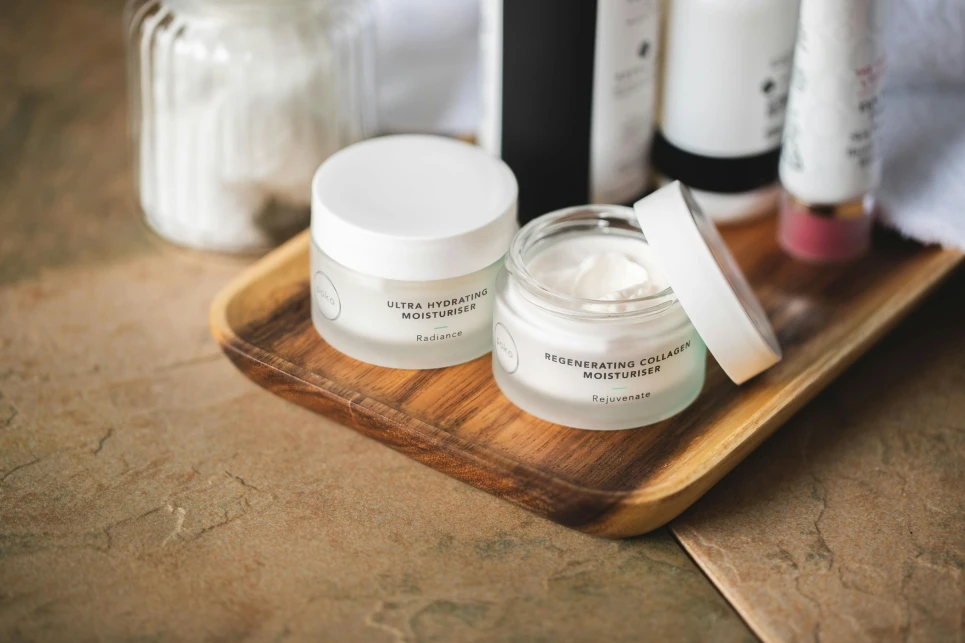
Moisturisers, retinoids, antioxidants and exosome biotechnology skincare such as Morphiya can improve skin quality and support collagen production. However, they cannot tighten significantly lax skin, reposition underlying tissues or address structural changes occurring beneath the surface. This is why many patients find that despite investing heavily in skincare, their neck continues to show signs of ageing.
A comprehensive approach often requires addressing not only the skin itself but also the underlying fat, connective tissue and muscular structures.
Regenerative Treatments for Neck Rejuvenation
One of the most exciting developments in aesthetic medicine is the growing use of regenerative therapies to improve skin quality and stimulate the body's natural repair processes.
Stem Cell-Enriched Regenerative Treatments
Stem cells have attracted significant attention in recent years because of their ability to support tissue repair, reduce inflammation and stimulate the production of collagen and elastin. In aesthetic medicine, adipose-derived stem cells are typically obtained from a patient's own fat through a small liposuction procedure.
After harvesting and processing the fat, stem cell-rich tissue can be used as part of a regenerative treatment strategy to improve skin quality and address some of the underlying biological changes associated with ageing.
Unlike treatments that simply add volume or temporarily improve the appearance of the skin, stem cell-based approaches aim to enhance the quality of the tissue itself. By encouraging regeneration at a cellular level, these treatments may help improve skin thickness, elasticity, hydration and overall skin health.
The neck can be particularly responsive to regenerative therapies because the skin in this area is thin and prone to collagen loss. Patients often notice improvements in skin texture, crepiness and firmness, with results continuing to develop gradually as the body's natural regenerative processes take effect.
As one of the first plastic surgeons in the world to incorporate adipose-derived stem cells into facial rejuvenation procedures, Mr Tunc Tiryaki has long advocated regenerative approaches that work with the body's own biology. For patients experiencing early to moderate signs of neck ageing, stem cell-enriched treatments can form an important part of a comprehensive rejuvenation strategy, either as a standalone treatment or in combination with surgical procedures.
In addition to stem cell therapies, other regenerative treatments such as platelet-rich plasma (PRP) and exosome-based therapies may also be used to support skin rejuvenation.
When Surgery Becomes the Best Option
For patients with significant skin laxity, muscle banding or excess tissue, surgery often provides the most effective and long-lasting solution.
Neck Lift Surgery
A neck lift remains the gold standard procedure for advanced neck ageing. The procedure is designed to address loose skin, excess fat and underlying muscle laxity to restore a smoother, firmer and more defined neck contour.
During surgery, the platysma muscles can be tightened, excess fat removed or repositioned and loose skin carefully redraped. The result is a more youthful neck profile and improved jawline definition.
Importantly, a well-performed neck lift should never appear tight or over-operated. The goal is to create natural-looking rejuvenation that restores harmony between the face and neck.
Combining Face and Neck Rejuvenation
One of the most common mistakes in aesthetic treatment planning is focusing solely on the face.
The face and neck should always be assessed together. Rejuvenating one area while neglecting the other can create an unbalanced appearance.
For this reason, neck rejuvenation is frequently performed alongside facial procedures such as facelifts, fat transfer and regenerative treatments. Addressing both areas simultaneously often delivers the most natural and comprehensive outcome.
A Holistic Approach to Neck Ageing
Neck ageing is rarely caused by a single factor. Instead, it results from a complex combination of skin changes, volume loss, muscle laxity, sun exposure, genetics and lifestyle factors such as prolonged screen use.
The most successful treatment plans therefore combine multiple approaches tailored to the individual patient. For some, regenerative therapies may be sufficient. For others, fat transfer or surgical intervention may be required to achieve meaningful improvement.
The key is recognising that the neck deserves the same attention as the face. After all, when it comes to maintaining a youthful appearance, the neck is often one of the first areas to reveal the passage of time, and one of the most rewarding areas to treat.
Read the full article on necks, featuring Mr Tunc Tiryaki on the Daily Mail.
For further information on necklift treatments with Mr Tiryaki, please contact us.