What a 2005 Mouse Study Taught Us About Ageing, Regeneration and the Future of Exosome Therapy
Medically Reviewed 03 July 2026, by Mr. Tunç Tiryaki (GMC 7497351)
A Landmark Discovery in Ageing Research
In the field of regenerative medicine, certain scientific papers fundamentally change how we think about ageing. One of my personal favourites is a landmark 2005 study published in Nature by Irina Conboy and colleagues, which explored a fascinating concept known as heterochronic parabiosis. In simple terms, researchers surgically connected the circulatory systems of young and old mice, allowing them to share blood and circulating biological factors. What they observed challenged long-held assumptions about ageing and opened entirely new avenues for regenerative science.
At the time, ageing was widely viewed as largely irreversible, driven by the gradual exhaustion of stem cells and tissue repair mechanisms. However, the study showed that when older mice were exposed to the systemic environment of younger animals, their regenerative capacity improved significantly. Muscle stem cells became more active, tissue repair accelerated, and cellular signalling pathways associated with youth were partially restored. Remarkably, these changes occurred without replacing the aged cells themselves. Instead, the regenerative improvement appeared to stem from changes in the biological environment surrounding those cells.
This finding changed our understanding of ageing. It suggested that cells do not age in isolation. They constantly communicate with their environment through a complex network of signalling molecules, proteins, growth factors and extracellular vesicles. In many ways, the study introduced the idea that ageing may be influenced not only by what happens inside cells but also by the messages cells receive from the rest of the body.
Over the past two decades, this concept has become one of the foundations of modern regenerative medicine. Researchers have worked to identify the specific circulating factors responsible for these rejuvenating effects, while also recognising that ageing is driven as much by the accumulation of harmful signals as by the loss of beneficial ones. Later studies demonstrated that "old blood" can actively accelerate age-related decline in younger animals, illustrating the importance of the body's signalling environment.
What Does This Mean for Exosome Science?
This is where exosomes have become particularly exciting.
Exosomes are microscopic extracellular vesicles released by cells as part of their normal communication system. Once considered cellular waste products, they are now recognised as powerful biological messengers carrying proteins, lipids, messenger RNA and microRNA between cells. They allow one cell to influence the behaviour of another, often at considerable distances within the body.
When I first began studying the regenerative potential of exosomes, I was reminded of the lessons from the parabiosis experiments. While exosome therapy is fundamentally different from sharing a circulatory system, both concepts are built on the same biological principle: that cells can be influenced by signals from their environment.
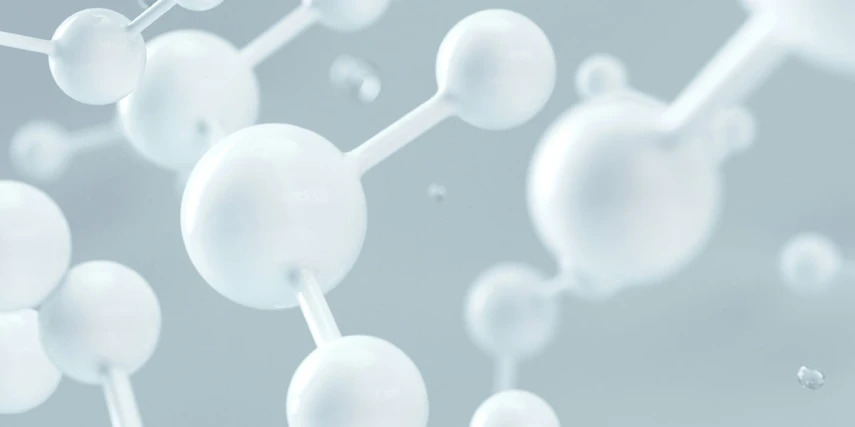
Today, researchers believe that many of the regenerative benefits observed in stem cell therapies may be mediated by exosomes released by these cells. Rather than physically replacing damaged tissue, exosomes appear capable of modulating inflammation, supporting tissue repair, promoting angiogenesis and stimulating healthier cellular function. This shift in thinking has led many scientists to view regenerative medicine less as a process of cellular replacement and more as a process of cellular communication.
The implications are profound. If ageing and degeneration are partly driven by dysfunctional cellular signalling, therapies that restore healthier communication pathways may support tissue repair and resilience. This concept is now being explored across a range of medical fields, including wound healing, orthopaedics, neurodegeneration, aesthetics and longevity medicine.
Of course, it is important to maintain a scientific perspective. The 2005 parabiosis study was conducted on mice, and translating findings from animal models into safe and effective human therapies remains a significant challenge. Similarly, although exosome research is advancing rapidly, many applications remain investigational and require further clinical validation before definitive conclusions can be drawn.
From Scientific Inspiration to Morphiya
The study remains one of the most inspiring papers in regenerative biology. More than twenty years later, it still influences how scientists think about ageing, tissue regeneration and the body's remarkable ability to respond to biological signals.
For me, these discoveries did more than reshape scientific thinking. They also helped shape the direction of my own research.
Inspired by this emerging understanding of cellular signalling, I led a multidisciplinary task force comprising biotechnology scientists, genetic engineers from Harvard University, dermatologists, and physicians to explore the therapeutic potential of exosomes for tissue regeneration, wound healing, and skin rejuvenation. Over five years, the team investigated how exosome-based technologies could be harnessed to support cellular repair and optimise skin regeneration. This intensive programme of research and development at the London Regenerative Institute ultimately culminated in the creation of Morphiya, a biotechnology skincare platform built around our patented Exomorph technology.
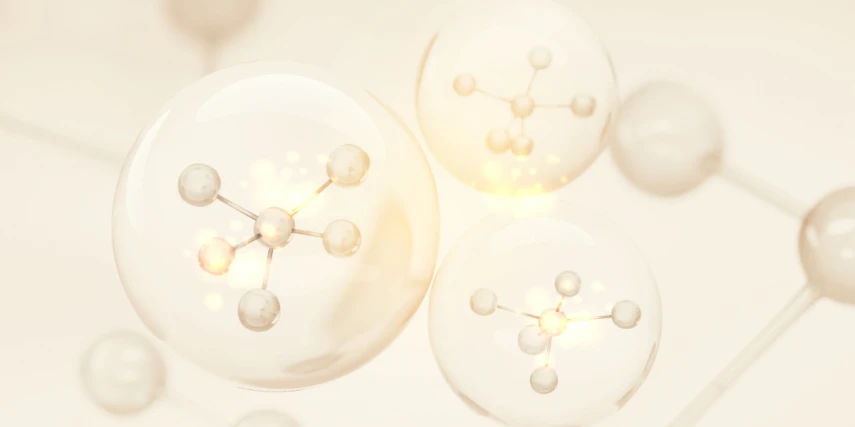
At the heart of Morphiya is a proprietary hybrosome delivery system that combines exosomes with liposomes to enhance stability, penetration, and cellular communication. Each drop delivers approximately 20 million active bio-transmitters designed to support the skin's natural regenerative processes. Just as the parabiosis studies demonstrated the importance of biological signals in influencing cellular behaviour, modern exosome science focuses on understanding how these messages can be harnessed to promote repair and regeneration.
The rationale is simple: the human body contains around 200 different cell types, all of which communicate through intricate signalling networks. As we age, these signalling pathways become increasingly dysregulated, contributing to tissue decline and slower repair. Exomorph technology has been engineered to help optimise these communications, supporting collagen production, cellular repair and overall skin quality. In simple terms, Exomorph technology functions much like a biological software update. Rather than replacing cells, it is designed to support the messages cells exchange, helping to optimise regenerative processes that naturally become less efficient with age.
The Future of Cellular Communication
Clinical investigations of hybrosome technology have demonstrated promising results. Laboratory studies found that hybrosome-rich cell cultures healed twice as quickly as controls, while wrinkle recovery was significantly enhanced compared with retinol. Improvements in skin hydration were also observed, alongside substantial reductions in the appearance of fine lines. While ageing remains a complex biological process, these findings reinforce the growing belief that cellular communication may represent one of the most important frontiers in regenerative medicine.
For me, this is the enduring legacy of the parabiosis research. It shifted our focus from simply treating the visible consequences of ageing and towards understanding the underlying biological conversations taking place between cells. Whether we are studying regenerative medicine, longevity science, exosomes or advanced skincare technologies, we are ultimately exploring the same fundamental question: how can we help cells receive the right signals to repair, regenerate and function at their best?
The future of regenerative and anti-ageing medicine may not lie in replacing ageing tissues, but in understanding and optimising the biological messages that shape them.