
The Regenerative Platform
A New Model of Aesthetics & Longevity
Modern aesthetic medicine is undergoing a fundamental shift. For decades, facial ageing was approached primarily through surface correction: tightening skin, adding volume with synthetic fillers and treating features in isolation. Today, a more sophisticated understanding has emerged. Ageing is not a cosmetic event; it is a biological process involving changes to bone, fat, muscle, skin and cellular function. Long-term outcomes depend not on how much is added or pulled, but on how effectively the body’s own regenerative capacity is supported.
The Regenerative Platform reflects this evolution. It integrates principles from regenerative medicine, surgical science and longevity research into a coherent system of care. Rather than separating surgery from diagnostics, or aesthetics from health optimisation, the platform connects them. Regeneration and longevity are treated not as trends, but as complementary disciplines that together offer a more durable, safer and biologically aligned approach to facial ageing.
This integrated model reduces reliance on repeated filler use, supports more natural structural restoration, and prioritises recovery quality as much as operative technique. It represents a shift from intervention to stewardship: from altering appearance to preserving identity over time.
Pillar 1 - Philosophy & Surgical Leadership
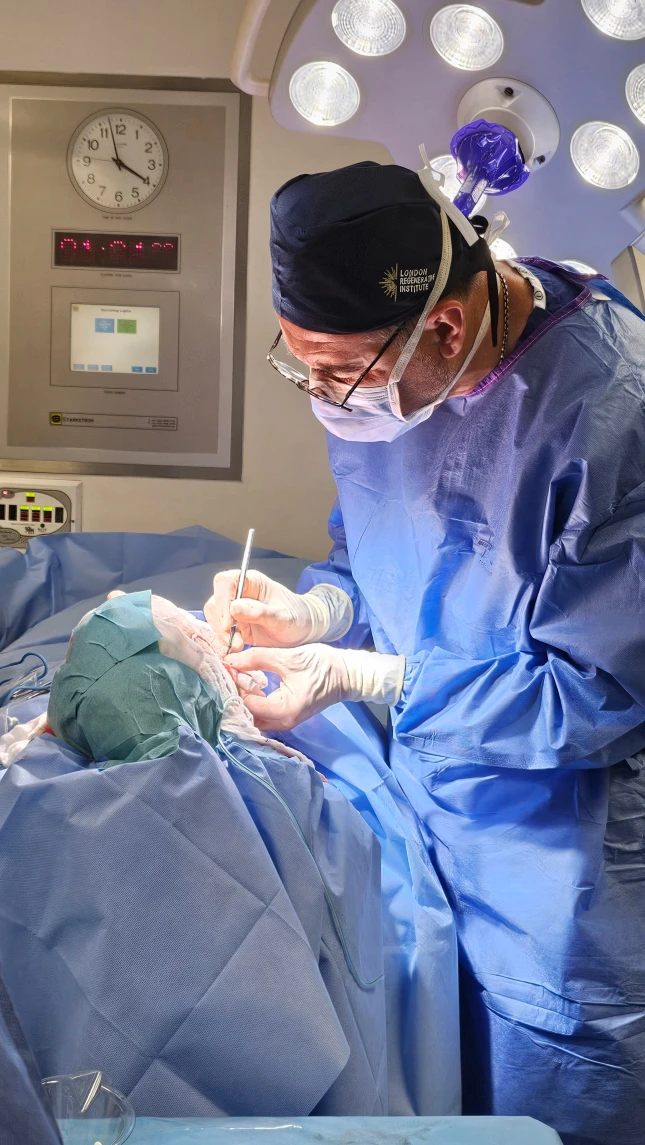
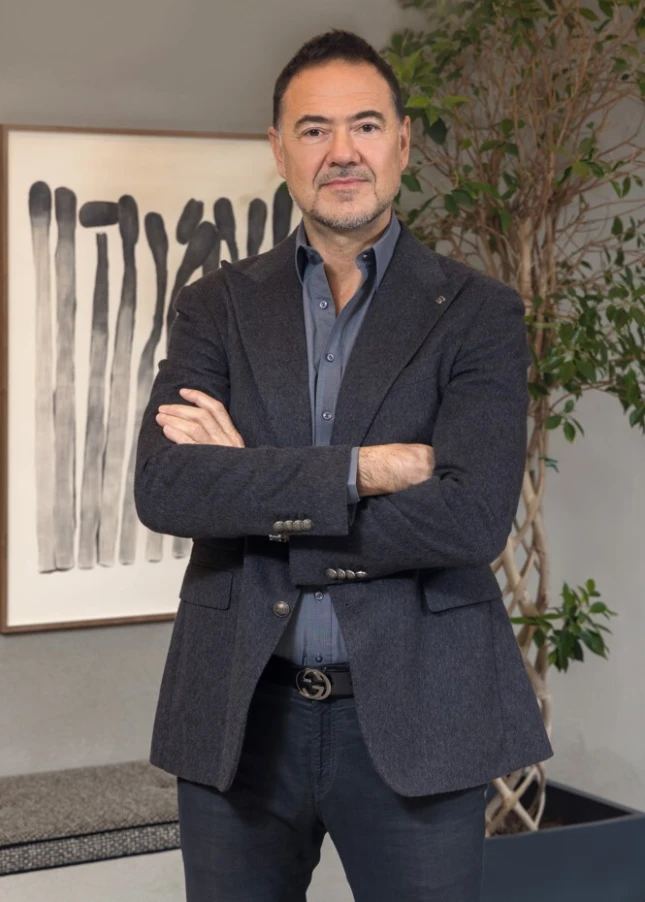
At the foundation of the Regenerative Platform is a clear clinical philosophy led by Mr Tunc Tiryaki. His work in facial surgery has long focused on biological restoration rather than cosmetic alteration. This approach is often described as an “undone” aesthetic: outcomes that are anatomically coherent, subtle and recognisably individual.
The scientific basis of this philosophy lies in understanding facial ageing as a volumetric and skeletal process, not merely a gravitational one. Bone resorption, fat compartment atrophy and changes in skin biology all contribute to how a face evolves. Regenerative techniques aim to address these changes using living tissues and biologically active methods, rather than relying solely on mechanical tightening or synthetic materials.
Mr Tiryaki’s development of hybrid facial techniques reflects this thinking. These methods combine structural surgical repositioning with fat transfer and regenerative strategies to rebuild the face in three dimensions. Fat is treated not as a filler but as a regenerative tissue rich in cellular components that can improve skin quality and integration when placed correctly.
Equally central to this pillar is ethical restraint. Patient selection is considered a core clinical responsibility. Surgery is offered only when it can be performed with precision and when the anticipated outcome aligns with long-term facial harmony. The objective is not transformation, but restoration.
This philosophy extends beyond technical practice into education and humanitarian work. Teaching, knowledge sharing and service-driven ethics reinforce the idea that facial surgery should be governed by anatomy, biology and respect for human dignity, rather than fashion or commercial pressure
Pillar 2 - London Regenerative Institute
The London Regenerative Institute (LRI) functions as the research and clinical engine of the platform. It provides the scientific and multidisciplinary framework that supports regenerative facial surgery and longevity-aligned care.
LRI brings together specialists in regenerative medicine, diagnostics, longevity screening and clinical research. Its role is to investigate how biological age, metabolic health, inflammation and cellular function influence both surgical recovery and long-term aesthetic outcomes. This allows facial procedures to be contextualised within a broader health profile rather than treated as isolated cosmetic events.
Key functions of LRI within the platform include:
• Longevity screening and biological risk assessment
• Regenerative medicine expertise
• Cross-specialist clinical collaboration
• Education and professional development
• Protocol development for recovery and optimisation
LRI also serves as a centre for thought leadership and research translation. It links laboratory knowledge with clinical practice, ensuring that emerging evidence is incorporated into patient pathways in a structured and responsible manner.
Within the platform, LRI amplifies surgical care by adding predictive insight and longitudinal perspective. It supports decision-making before surgery and optimisation afterwards, helping to standardise protocols across locations and specialities. In this way, it transforms individual surgical excellence into an institutional model of regenerative care.
Pillar 3 - Morphiya, Lipocube & Regenerative Technologies
Morphiya - Bio‑Engineered Exosome Technology
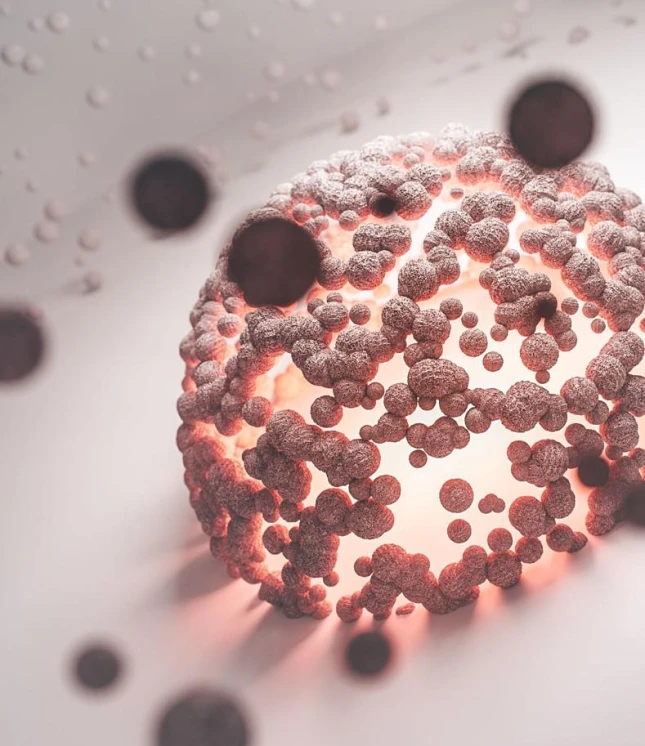
Morphiya is a regenerative skincare and bio‑signal platform grounded in exosome science. Unlike traditional skincare ingredients that largely act on the surface, Morphiya harnesses bio‑engineered exosomes - tiny cellular messengers that carry proteins, RNA and growth factors - to promote deeper tissue communication and cellular regeneration. Its Exomorphic Biotech™ and Hybrosome™ technologies encapsulate youthful exosome signals within nutrient‑rich carriers, enabling targeted delivery to skin cells to support repair, collagen synthesis and cellular function. This deeper level of cellular messaging promotes improved skin quality, elasticity and resilience, and serves a regenerative purpose beyond simple hydration or temporary surface effects.
Rather than being a passive topical product, Morphiya integrates into the platform’s regenerative ecosystem by supporting accelerated healing, enhancing tissue health after surgical intervention, and helping maintain youthful biology at a cellular level.
Lipocube - Optimised Regenerative Adipose Processing
Lipocube is a pioneering biotechnology system specialised in the processing and optimisation of adipose tissue for regenerative clinical use. In regenerative facial surgery, transplanted fat becomes a living tissue that contributes not just volume but biological support to surrounding structures.
Lipocube improves the quality, purity and viability of harvested adipose tissue by refining how fat and its stromal cellular components are isolated and preserved for transfer. This enhances the predictability and longevity of fat grafting outcomes, increases graft survival, and maximises the regenerative potential of autologous tissue during facial rejuvenation procedures.
Regenerative Technologies - Supporting Healing & Integration
“Regenerative Technologies” encompass a suite of systems and protocols applied across the platform to accelerate return to function and improve biological outcomes after surgery. These include methods that enhance tissue oxygenation, modulate inflammation and optimise metabolic support - all aimed at creating a favourable healing environment. Examples include adjunctive use of cellular signalling support, advanced wound‑healing protocols, and technology‑assisted recovery pathways that reduce complication risk and promote cellular integration.
Together, Morphiya, Lipocube and the regenerative technologies address three foundational clinical needs:
• Improving the quality and predictability of regenerative fat transfer
• Supporting tissue survival and biological integration
• Reducing trauma, inflammation and complication risk
Importantly, these systems are not presented as optional accessories, but as engineered extensions of the platform’s regenerative mission. Each technology exists to enable biological restoration, accelerate healing, reduce dependency on artificial substitutes, and align clinical practice with the underlying science of regenerative ageing.
Within the platform, these technologies act as connectors between philosophy and execution - transforming regenerative principles into reproducible clinical practice and consistent patient outcomes.

How the Ecosystem Works Together
The Regenerative Platform is designed as a continuous patient journey rather than a sequence of isolated interventions. Each stage is informed by the same scientific and ethical framework, whether care is delivered in London or Istanbul.
A typical pathway involves:
• Diagnostic and longevity assessment
• Collaborative surgical planning
• Regenerative facial surgery where indicated
• Structured recovery optimisation
• Long-term maintenance and biological monitoring
Clinical protocols remain consistent across locations, ensuring that patients experience the same standards of care and regenerative methodology regardless of geography.
Recovery optimisation is a key differentiator. Rather than viewing healing as a passive phase, the platform treats it as an active clinical process. Nutritional status, inflammation control, tissue support and metabolic health are all considered as contributors to outcome quality.
This integrated pathway allows surgical results to age more naturally and remain coherent over time, reducing the need for repeated corrective procedures.
Optimising Patient Outcomes
For patients, the value of the Regenerative Platform lies in predictability, coherence and long-term benefit.
Key advantages include:
- Greater safety through structured protocols
- Faster recovery supported by regenerative strategies
- Results that integrate naturally with facial biology
- Reduced dependence on synthetic fillers
- Access to a multidisciplinary regenerative team
- Longevity of results
Rather than treating ageing as something to be concealed, the platform supports a model of facial care that evolves with the patient’s biology.
Commitment to Ethical, Humanitarian and Scientific Principles
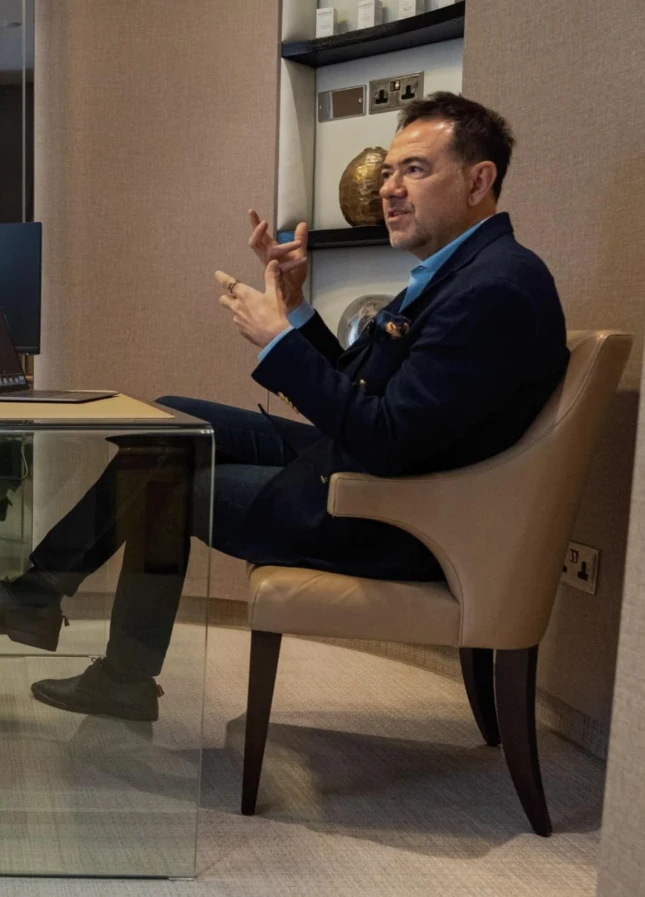
The platform is governed by surgeon-led decision-making and ethical restraint. Clinical judgement prioritises suitability, safety and long-term harmony over demand or trend.
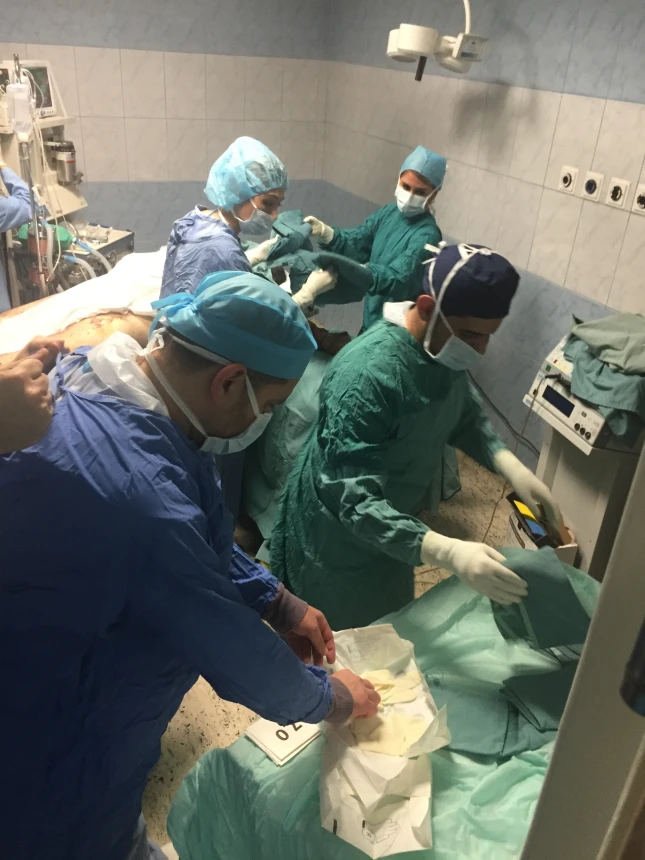
Humanitarian values are reflected in educational outreach and service-based work, reinforcing the principle that surgical expertise carries social responsibility. Scientific rigour underpins all clinical development, with research and protocol evaluation integrated into practice.
This combination of ethics, science and clinical leadership defines the platform’s identity and protects its integrity.
The Regenerative Platform represents a shift from individual expertise to institutional coherence. It brings together surgical philosophy, research infrastructure and mission-led technology into a unified system dedicated to natural ageing, biological restoration and ethical aesthetic medicine.
FAQs
What is a regenerative facelift?
A regenerative facelift combines structural surgical techniques with biologically active methods such as fat transfer and tissue optimisation. Its aim is to restore facial anatomy using living tissues rather than relying solely on tightening or synthetic volume replacement.
How does regenerative medicine improve recovery?
Regenerative strategies focus on supporting the body’s healing response through improved tissue integration, inflammation management and metabolic optimisation. This can contribute to more predictable recovery and longer-lasting outcomes.
What is the London Regenerative Institute?
The London Regenerative Institute is the research and clinical hub of the platform, specialising in longevity medicine, diagnostics and regenerative care. It supports protocol development, education and multidisciplinary collaboration.
How do Morphiya and Lipocube work?
These technologies are designed to improve fat handling and tissue support during regenerative facial surgery. They aim to increase fat viability, support healing and reduce complication risk.
Is this approach available in both London and Istanbul?
Yes. Clinical protocols and regenerative methodologies are consistent across locations, ensuring continuity of care and scientific alignment.
Trends & Insights
Named Among MSN’s Top 10 Plastic Surgeons to Know in 2026

How to Prepare for Your Facelift Consultation: What to Bring and What to Expect